
Warriors from front lines of drug fight speak at local seminar
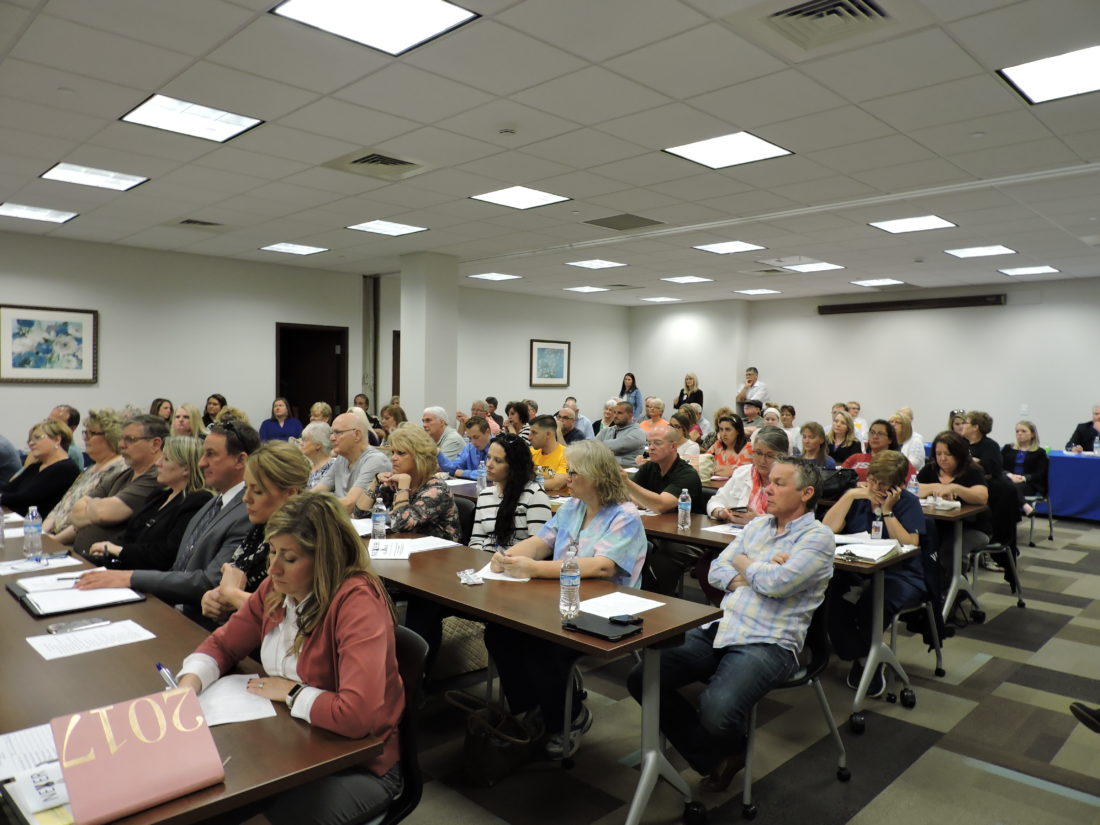
LISTENING — Area residents gathered in the conference room of Weirton Medical Center Wednesday to hear from a panel of guest speakers on the dangers of drug use and addiction in the community. The Caring Community Seminar was organized by Never Alone WV, with support through a grant from ArcelorMittal USA. -- Craig Howell
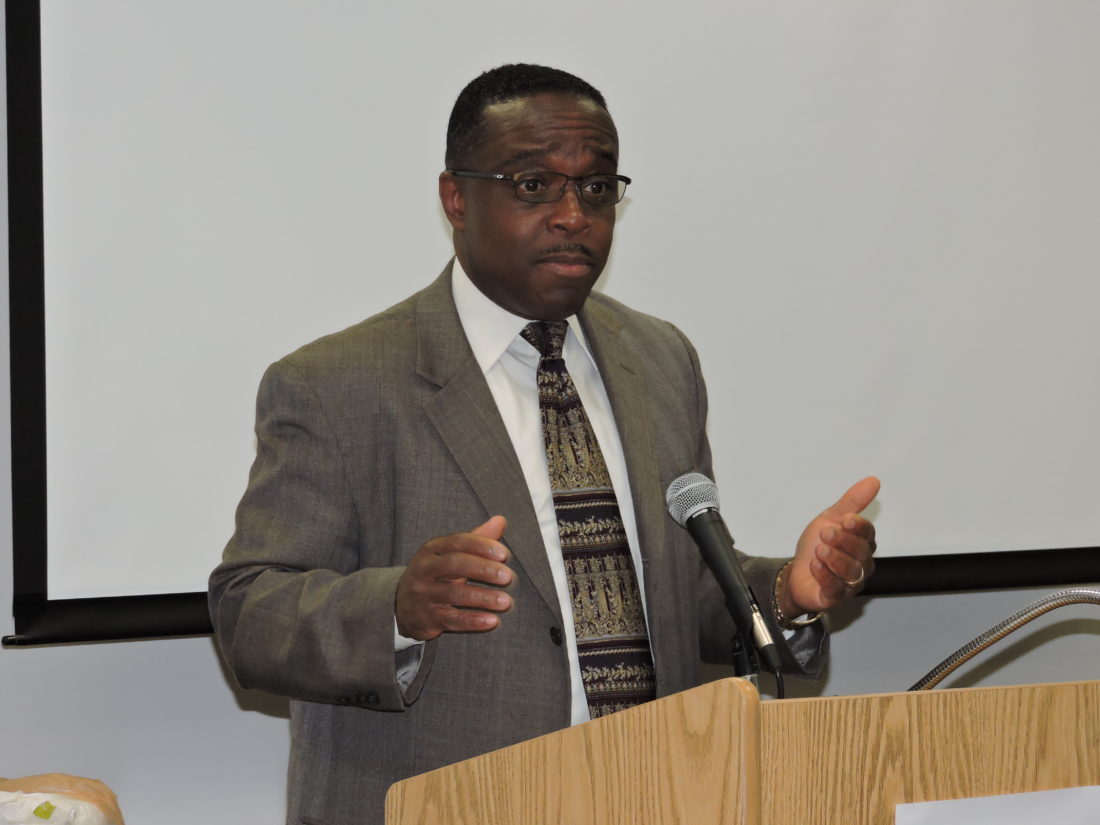
AGENT IN CHARGE — Karl Colder, special agent in charge of the Washington, D.C., field office for the U.S. Drug Enforcement Administration, was among the guest speakers at Wednesday’s Caring Community Seminar, organized by Never Alone WV. The seminar focused on the dangers of drugs and addiction in the community. -- Craig Howell
LISTENING — Area residents gathered in the conference room of Weirton Medical Center Wednesday to hear from a panel of guest speakers on the dangers of drug use and addiction in the community. The Caring Community Seminar was organized by Never Alone WV, with support through a grant from ArcelorMittal USA. -- Craig Howell
AGENT IN CHARGE — Karl Colder, special agent in charge of the Washington, D.C., field office for the U.S. Drug Enforcement Administration, was among the guest speakers at Wednesday’s Caring Community Seminar, organized by Never Alone WV. The seminar focused on the dangers of drugs and addiction in the community. -- Craig Howell
Trending
WEIRTON -- Gathered in the conference room of Weirton Medical Center Wednesday night, area residents heard from many of those who have been on the front lines of the battle against drugs and addiction, in the Ohio Valley and across the country.
The Caring Community Seminar was organized by Never Alone WV, with support through a grant from ArcelorMittal USA, and included guest speakers from law enforcement, medical professionals, the judicial system and those who have experienced addiction in their own lives.
Patti Barnabei, founder of Never Alone WV, explained that in addition to regular support meetings, the organization works to hold community events in an effort to educate residents about the dangers of drug use and the programs available to help those living with addiction.
"If we can save one life, it's very much worth it," Barnabei said.
Among those addressing the crowd was Karl Colder, special agent in charge of the Washington, D.C., field office of the U.S. Drug Enforcement Administration. Colder said drug use and addiction has developed into a culture, sometimes with generations of the same family having some form of addiction.
"This is a topic talked about, not just in this region, but across the country," Colder said.
Colder noted West Virginia has the highest per capita rate of drug overdoses in the nation, and in Huntington, one in eight babies are born addicted.
"You're right in the middle of everything that's going on," he said.
Colder discussed some of the programs developed by his agency, including the DEA 360 Initiative, which has been in Pittsburgh and is being launched in Charleston this week. The program takes a three-pronged approach, involving law enforcement, diversion programs and community outreach.
Weirton Police Chief Rob Alexander discussed some of the efforts of local law enforcement and warned against the enabling of drug users.
"We want to help, believe it or not," Alexander said, noting that in 2016, there were 25 overdose deaths in Brooke County and 44 in Hancock County. "We have already beat that this year, and we're only five months in."
Alexander encouraged those in attendance to educate themselves to better identify the signs of drug use, noting there are physical, environmental and behavioral clues to look for.
"If you don't know these signs, you need to research them," he said.
Lisa Pinney, founder of Life Transforming Prayer, shared her own experiences, which she said were the result of a difficult childhood filled by physical abuse and her parents' divorce.
"We didn't know it was physical abuse back then," Pinney said. "We thought that was how you raised a family."
That abuse, she said led to drug use in her teenage years and early 20s, but eventually she learned of the importance of overcoming the emotional trauma she had experienced, saying it also helped to overcome her addiction.
A Steubenville resident, Josh, who asked that his last name not be used, also discussed his struggles with addiction, which he said began following a medical diagnosis and the use of pain medication. When his doctors took him off the medication, though, he went to the streets in search of drugs.
The change came, he said, when he was introduced to Never Alone and enrolled in Ohio Valley Teen Challenge.
"It was the best thing I've ever done in my life," he said of the program where he spent close to 16 months. "There are people out there who will give second chances."
Joyce Vogler, of Follansbee, a member of Never Alone who has experienced addiction through a family member, encouraged residents to trust their instincts when identifying a drug problem, but said each person has to hit their own "rock bottom."
"You didn't cause it, you can't control it and you can't cure it," she said.
The audience also heard from J.J. Bernabei, a local pharmacist and business owner, and vice president of the West Virginia Board of Pharmacy, who spoke about changes in the pharmaceutical business in dispensing pain killers and educating patients.
Kim Watson, a clinical social worker at Northwood Health Systems, discussed some of the organization's treatment programs. James Stock, coordinator of the 1st Judicial Circuit's Northern Panhandle Drug Court, discussed the process of the court system, noting its successes as only 9.4 percent of those going through the program have relapsed.
Dr. Paul Kempen, an anesthesiologist who also works in pain management at Weirton Medical Center, also was on hand to discuss his experiences in treating individuals with addiction.
(Howell can be contacted at chowell@weirtondailytimes.com, and followed via Twitter @CHowellWDT)