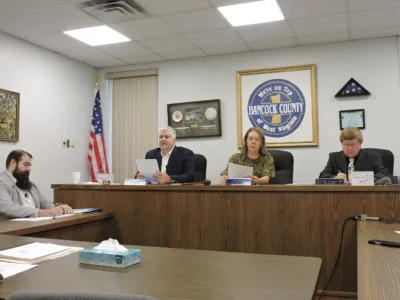
NEW CUMBERLAND – Hancock County commissioners amended aspects of two of the county's opioid funding allocations Friday, including a change in the planned use of funding for Family Care Ministries while still providing the organization…

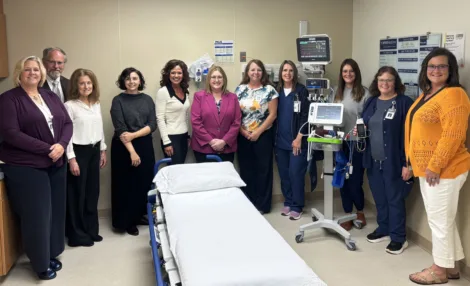
NEW CUMBERLAND – Hancock County commissioners amended aspects of two of the county's opioid funding allocations Friday, including a change in the planned use of funding for Family Care Ministries while still providing the organization…
STEUBENVILLE — When you travel along many streets in the city, it's likely you will come across at least one…
STEUBENVILLE — Ensuring that paths for engagement are open among various segments of the community is important for continued growth,…
STEUBENVILLE—The two men vying for a seat on the Jefferson County commissioners have dramatically different takes on where the county…
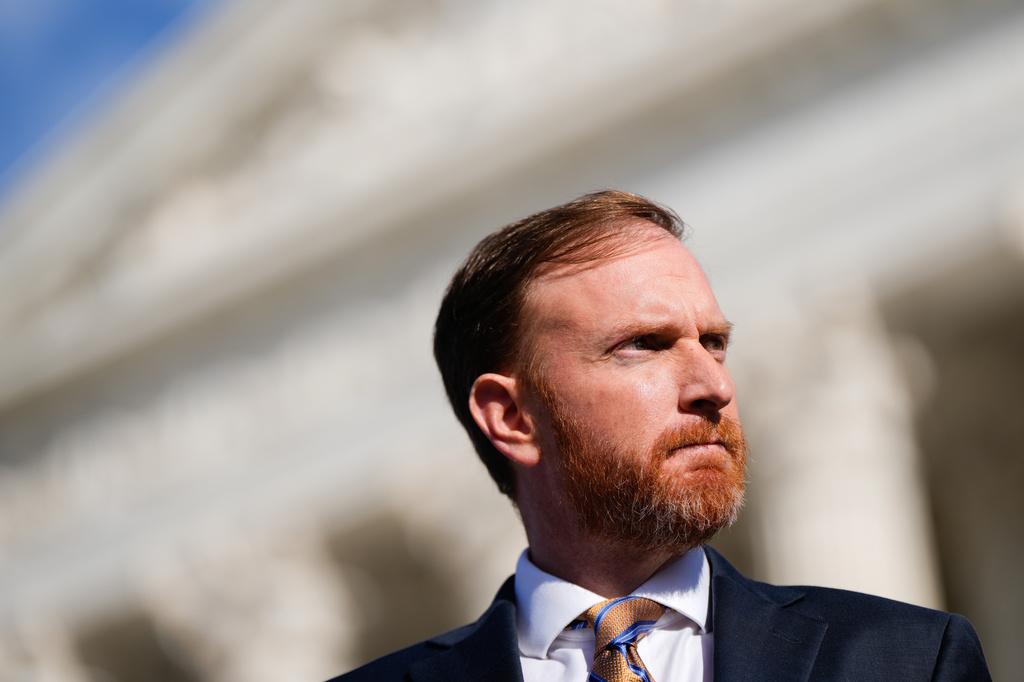
COLUMBUS, Ohio (AP) — President Donald Trump said Thursday that Vivek Ramaswamy, the Republican nominee for Ohio governor, should keep…
MARTINS FERRY — Sherrod Brown shared his message that the system is rigged, the war in Iran is continuing to…
If you have been a regular reader of my column over the years, you will know that I am interested in spooky stories of our past. I don't necessarily mean ghost stories, but stories that are just spooky in nature. It is possible that a few ghost stories will make it into our collective…
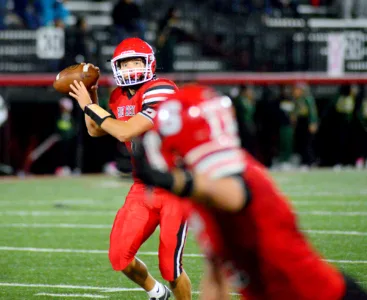
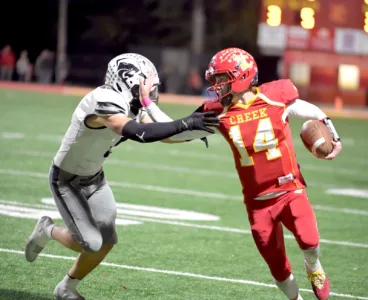
STEUBENVILLE — The Big Red football team may have had a playoff spot and…

-- Thumbnail Faldowski JOINS STAFF: Sarah Faldowski has joined the staff at Cedar One…
West Virginia needs a strong, powerful voice in Washington, D.C., now more than ever — someone who has proved she can build relationships, earn influence, reach across the aisle when necessary and speak up for US. For nearly 25 years, Shelley Moore Capito has built relationships across our nation’s capital and learned what it…
No, we haven't missed Halloween, but Christmas is right around the corner. That couldn't be more evident than when you drive along Main Street in Weirton and see the city's two large trees on display in preparation of the winter holiday. City crews put up the trees – one in front of the Millsop…