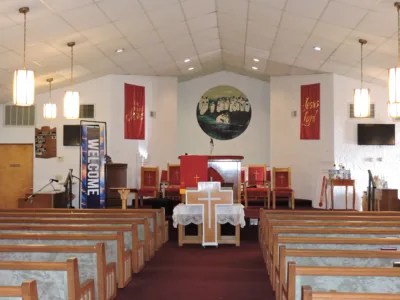
WEIRTON – One Weirton church celebrated its history and contributions to the community during almost a century of service. Shiloh Apostolic Faith Assembly welcomed members – past and present – along with other guests from…

WEIRTON – One Weirton church celebrated its history and contributions to the community during almost a century of service. Shiloh Apostolic Faith Assembly welcomed members – past and present – along with other guests from…
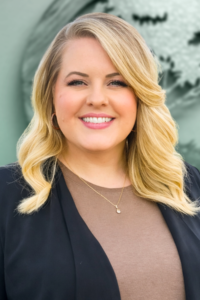
WEIRTON - The Weirton Area Chamber of Commerce has announced the selection of Dr. Stephanie LeMasters as its next president,…
STEUBENVILLE — A special shipment will be arriving at the Urban Mission Ministries warehouse on Thursday. That's when officials with…
WEIRTON – An event held Sunday provided more than a leisurely motorcycle ride around the Ohio Valley. The Northern Panhandle…
Craig Howell Area residents converged on the Weirton Event Center Saturday for the annual Weirton Food Truck Festival. This year’s…
Craig Howell Jason Treuman performed for the crowd Friday as the final Wellsburg Block Party of the summer was held.…
WINTERSVILLE-Teachers in the Indian Creek Local School District geared up for the start of…
Aug. 24 Sandi See, Mingo Junction

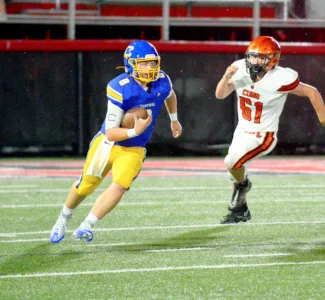
STEUBENVILLE — After getting into an early hole, Catholic Central showed a lot of…
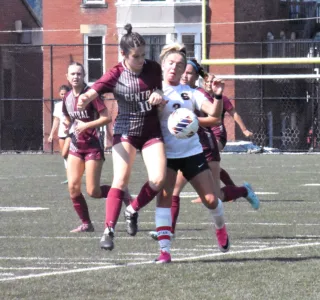
STEUBENVILLE - Momentum plays a vital role in a volleyball match, and it is common for…
SOCCER BROOKE BLANKS EDISON WELLSBURG - The Brooke boys soccer team topped visiting Edison on Saturday…
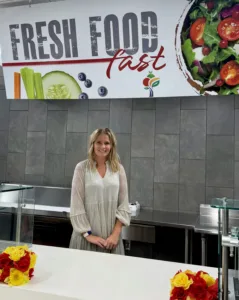
WINTERSVILLE — Nicole Marshall has made it her mission to nourish students while they…
Can I claim to have predicted, way back in 1988, the result of Michigan's fiercely contested Democratic primary for U.S. senator this week? The developments that have made Abdul El-Sayed -- who lost the 2018 gubernatorial primary to Gov. Gretchen Whitmer (D-Mich.) by 20 percentage points -- a winner over Rep. Haley Stevens were…
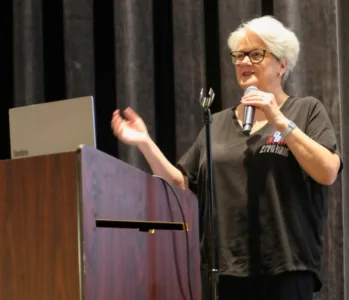
Wednesday afternoon, I had the opportunity to assist in presenting before the Brooke County Area Chamber of Commerce for a discussion about the benefits of media, with a particular focus on what we can do for the business community. It's not something I'm used to. In fact, I typically dread public speaking (and, quite…