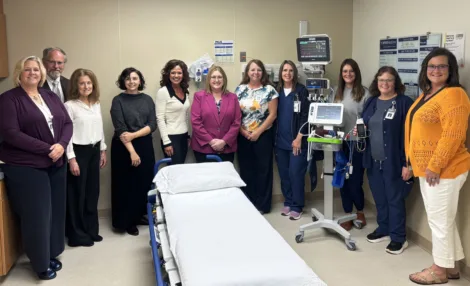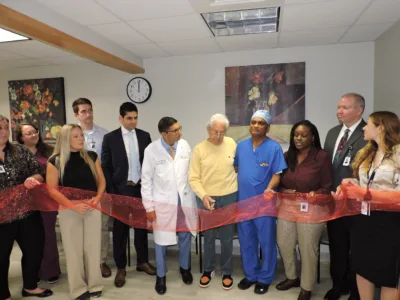
WEIRTON – Doctors, staff and guests gathered at WVU medicine Weirton Medical Center Wednesday to celebrate the expansion of its Center for Pulmonary and Sleep Medicine, now focusing on early diagnosis of lung cancer and…

WEIRTON – Doctors, staff and guests gathered at WVU medicine Weirton Medical Center Wednesday to celebrate the expansion of its Center for Pulmonary and Sleep Medicine, now focusing on early diagnosis of lung cancer and…
STEUBENVILLE — Somewhere in Jefferson County, odds are good there's a child being bullied or abused, maybe even self-harming. Unless…
WEIRTON – As of 4:01 p.m. Friday, a career of service to the community spanning 35 years (and four months)…
WEIRTON – The Weirton Christian Center will welcome the community to learn more about its programs during an open house…
Contributed Members of the Rotary Club of Weirton, during their meeting Wednesday, learned more about the services of the Community…
STEUBENVILLE POLICE Vandals: A caller from the 100 block of South Ninth Street told police she found three boys playing…

STEUBENVILLE — The Canton Ballet will return to the Steubenville Nutcracker Village for another…
• Bell Chapel UMC: "James 3: Do You Kiss Your Mother with that Mouth?" • Cadiz…
Follansbee Council to meet in special session FOLLANSBEE – Follansbee Council will meet in special session…

STEUBENVILLE — With a steady rain falling and a loyal crowd behind them, the…
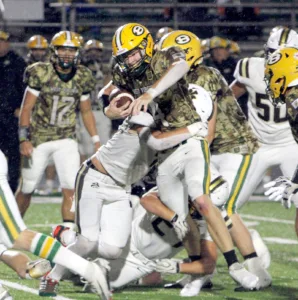
YORKVILLE - The Toronto football team showcased its big-play ability against Jefferson County rival Buckeye Local.…
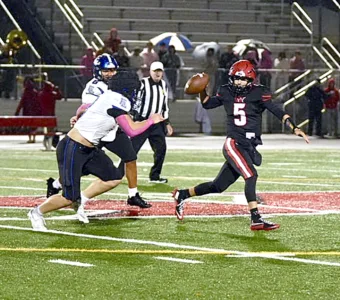

Contributed Toronto Auto Parts, a longtime fixture in the community, celebrated nearly 50 years…
Work on the Veterans Memorial Bridge continues, with crews on the span for several days in recent weeks. We made it through the first inspection closure planned as part of the work, which had been announced earlier this year as being focused on repairs and replacements to one of the suspension cables on the…