
Could West Virginia support a major pro sports team?
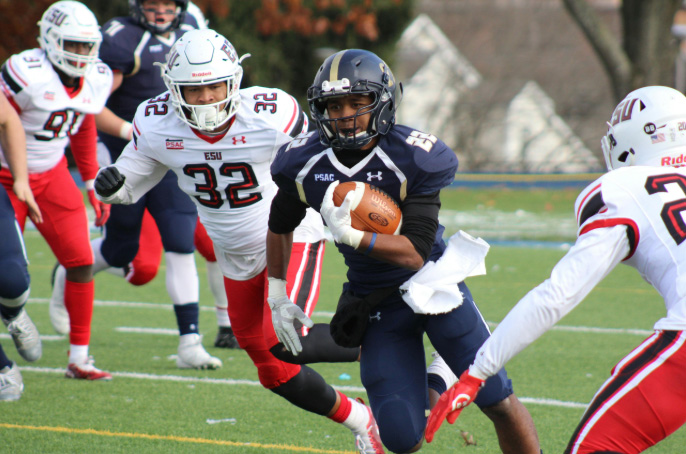
You don’t have to be from West Virginia to know that sports in the Mountain State are a lifeblood. A few years ago, WBOY.com published a report claiming that this state’s residents watched the highest amount of sports in the US. Dive through West Virginia on a Saturday in the fall, and you’ll likely hear roars from Morgantown and ‘Country Roads’ echoing from tailgates like a statewide anthem.
And beyond just visiting physical stadiums like Milan Puskar to support their favorite teams, fans have also been turning to online platforms to place wagers. Perhaps the most exciting part is how these platforms allow bettors to engage without worrying about accessing a physical destination. The official betting.us website, for instance, offers some of the best WV sports betting sites where fans can engage conveniently.
As a result of this improved convenience, sportsbooks handled about $505 million in bets throughout 2024 alone, further highlighting the state’s dynamic sports culture. But having a major professional team takes more than just a heart for sports. It takes infrastructure, population density, media markets and a lot of money. So, can West Virginia actually support one?
Population and market size
Just recently, Census.gov estimated West Virginia’s population to be about 1.77 million. That’s relatively small compared to states that host major professional teams. As you have already read, governments need significant sums to maintain a professional team. Recent approximations show that the US and Canadian governments spent about $33 billion constructing major-league stadiums over a course of 50 years.
Surprisingly, nearly three-quarters of the costs were covered by taxpayers’ money. This means a state with a relatively small population will likely struggle to maintain a pro team. It’s no wonder that nearly all Big-Four pro teams are based in the top 40-50 largest metropolitan areas in America.
Of course, a more populated metropolitan area is more likely to have more fans, leading to higher ticket sales, merchandise revenue and TV viewership. It also translates to strong media markets, allowing teams to secure lucrative broadcasting deals and sponsorships. Unfortunately, West Virginia has no single metro that breaks a million.
According to Data USA, Charleston, the state’s largest metropolitan area, has a population of about 48,000, significantly smaller than that threshold. And you may actually be surprised to learn that the region has been experiencing a declining population in recent years. Given this factor, it may be challenging for the state to support a pro sports team.
Infrastructure: Where would they even play?
Did you know that hosting an event like the Super Bowl alone requires stadiums with a minimum seating capacity of about 70,000? However, Charleston Coliseum can only host about 13,500 fans. If a major-league team were to land in West Virginia, it’s clear that it would not have a place to go.
Even GoMart Ballpark is not MLB-ready. Built in April 2005, this stadium can only seat up to 4,500 fans. That makes it suitable only for minor league baseball, not NBA or NHL standards. And while Morgantown’s Milan Puskar Stadium can handle NFL-sized crowds of 60,000 and beyond, it is a college venue and not a pro arena. Of course, the stadium’s recent updates have improved the fan experience.
For instance, in 2024, a new LED system was added to reduce energy consumption and improve the experiences of fans, national TV audiences and players. But to transition into a pro arena, Milan Puskar may need:
- More premium hospitality spaces, including more luxury suites and club seats
- Upgraded food and beverage options
- Operational improvements, including video board upgrades
With millions of dollars required to revamp or construct a stadium, this shift may be challenging for West Virginia. Remember, Friends Committee on National Legislation recently named the state among America’s top ten poorest states. West Virginia has also been dealing with outmigration, which implies that major stadium subsidies could spark political backlash.
The unshakable sports culture
It’s pretty clear that West Virginia fans are some of the country’s most loyal and emotionally invested supporters. Just this year (2025), about 77,359 spectators flocked into the Kendrick Family Ballpark, numbers never seen before in the program’s history. On average, 3,223 fans attended the 2,500-capacity stadium in each home game.
When it comes to football, the Mountaineers welcomed a home game attendance of more than 51,000 in 2021 – not bad for a state with fewer than 2 million residents. Marshall University in Huntington also boasts a spirited fanbase that regularly fills Joan C. Edwards Stadium.
The unfortunate thing is that all of this love is concentrated on college sports. There’s never been a big-league team to shift that allegiance. Maybe things could change if a pro franchise is introduced. And since the state has legalized sports betting, more fans are placing wagers on their favorite teams. Professional franchises can capitalize on this widespread interest because people here follow teams, place bets and stay invested.
So, can West Virginia support a major pro team? If it has to, it must overcome significant challenges like funding. The state has been grappling with challenges of outmigration, which could limit revenue collection needed for multi-million-dollar projects like building pro arenas. However, when it comes to passion, a considerable number of residents seem excited about sports, providing the right momentum for a pro sports team. But since change is inevitable, maybe the story could change soon.