
Wakim Chapman to focus on children’s issues In 2024
Trending
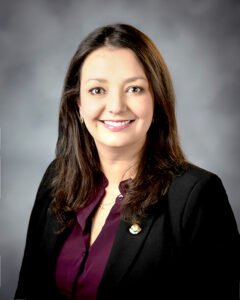
WHEELING -- West Virginia Sen. Laura Wakim Chapman sees an increased need to care for the state's foster children in 2024.
When the Legislature next convenes Jan. 10, one of the bills the Ohio County Republican hopes to propose would provide reimbursement funding to a family member of the foster child who chooses to take in their young relative.
"The (West Virginia Department of Health and Human Resources) already provides funding to foster parents when they take a child in," Chapman said. "A family member can be eligible, but they have to go through foster parent training.
"This bill would allow them to jump through the hurdles, take in the child and get reimbursement and permit the child to remain with a family member when it is safe and practical."
Chapman's bill comes as the foster system in West Virginia appears to be overloaded.
A report from the West Virginia Center on Budget and Policy released in late October found that West Virginia places four times as many children per capita in the foster care system as the United States as a whole.
"The Mountain State permanently terminates parental rights faster and more often than any other state in the country," the report stated. "While the child welfare system is designed to protect children, foster care involvement can have harmful effects on children and their families. Separating children from their families is a traumatic event for everyone involved and can lead to toxic stress for children, attachment problems, and feelings of loss and grief."
Chapman said she also plans to introduce two school-related bills during the next session.
The first addresses a need to provide more foreign language education exposure to students in secondary schools as West Virginia University has discontinued several of its programs that trained foreign language teachers.
"I sat down with two retired teachers, and we came up with a bill to integrate foreign language through regular instruction in grades kindergarten through 12," Chapman said.
Under the proposed bill, teachers who choose to seek additional foreign language education for their classroom programs would receive continuing education reimbursement.
Studies have shown that students exposed to more foreign language instruction have better math scores and increased overall confidence, Chapman said.
"The important thing is for students to have access to foreign language education," she continued.
The second school-related bill she plans to introduce would permit retired school teachers to substitute teach without affecting their benefits. Chapman said their employment would be similar to an "Independent contractor situation."
"We have a teacher shortage, and there are retired teachers ready to teach and fill those gaps," she added.
Chapman also hopes the Legislature approves the "Teen Internet Safety Act" this session. Geared toward students in middle school, the program would focus on the dangers of the Internet for young people, and how to recognize the person on the other side of the screen "might not be who they say they are."
Additionally, she plans to introduce next session legislation providing for training for teachers, health care workers and hotel workers to recognize signs of human trafficking.
"This would educate those who may be on the front lines," Chapman said. "Most victims of human trafficking will come across a teacher, hotel worker or hospital worker."
Chapman said she also will introduce again this session her legislation to exempt Social Security income from state income tax.
There have been many bills in recent years seeking to achieve this feat, but none have been successful.
Chapman admits it may be because of the expected cost to the state. Under current tax rates, the elimination of the income tax on Social Security would reduce overall tax collections by at least $44 million in fiscal year 2024; $46 million in 2025; and by increasing amounts in the following fiscal years.
"People work their entire lives, and they are relying on that money in their retirement," she said. "Anytime there is a fiscal note, it is harder to get those bills across the finish line. That doesn't mean I will stop trying."